Bird nest in a dryer vent
An open roof cap is close to ideal nesting real estate in the East Valley. It blocks the duct completely, and it becomes a fire risk the moment the dryer runs.
Calls answered 7am to 8pm · same-day service usually available
Tell us what you are hearing and where in the house. We will tell you what we think before anyone climbs anything.
How to know that is what you have
- Chirping, scratching or rustling in the wall or ceiling near the laundry
- The dryer went from fine to useless overnight rather than slowly
- Twigs, dry grass or feathers on the ground below the vent
- The same birds landing on the same spot on your roof, repeatedly
- A strong smell when the dryer is running
- The dryer shutting itself off partway through a cycle
- It is somewhere between February and May
The suddenness is the giveaway. Lint takes years to choke a vent. A nest arrives over a weekend.
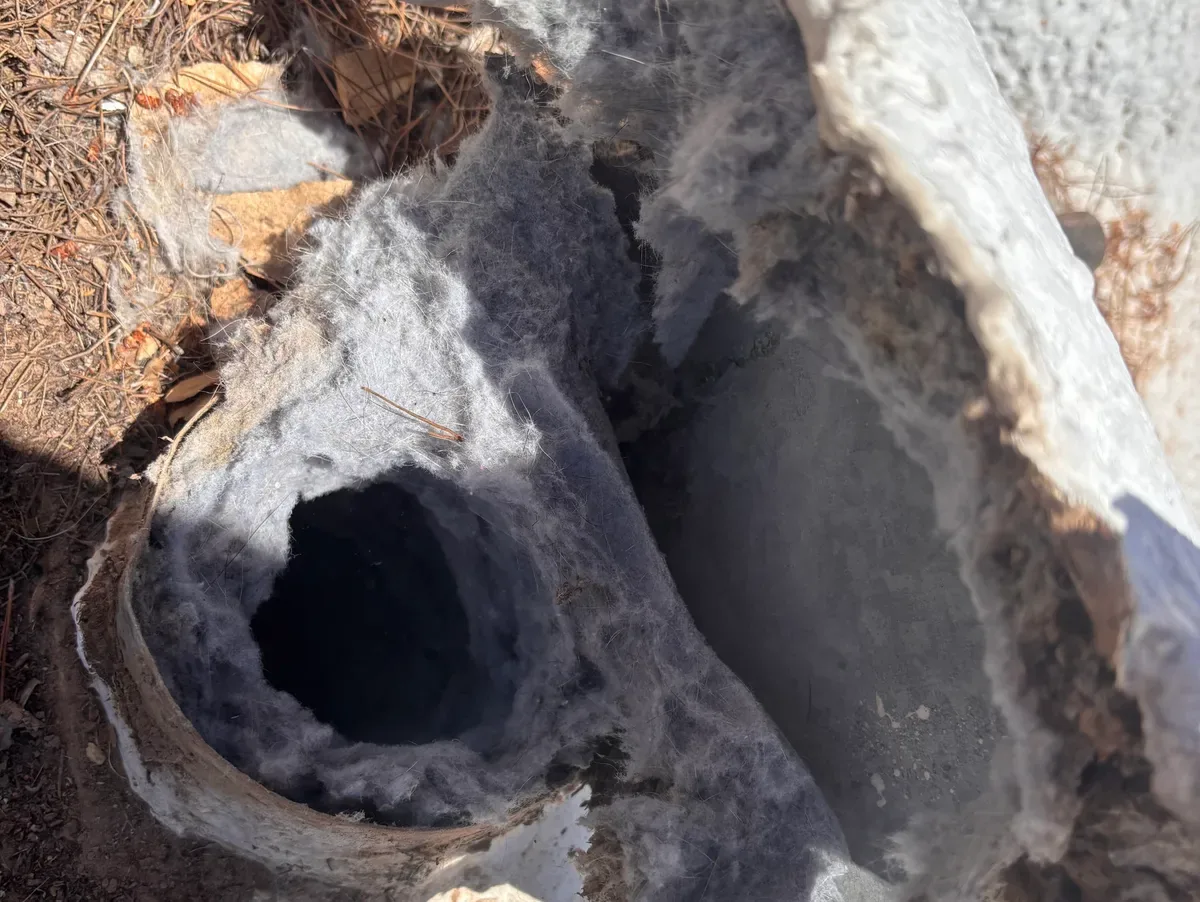
Why Gilbert caps are such a target
Think about what a bird is looking for. Somewhere sheltered from sun and rain, elevated and away from predators, with a small opening and a warm cavity behind it. A dryer vent hood on a Gilbert roof is all of those at once, and in a subdivision where the native vegetation was scraped off twenty years ago there is not a lot of competition for the spot.
The flapper is supposed to prevent this. It swings open when the dryer pushes air and falls closed when it stops. But flappers rust, lint jams them, and after a decade in Arizona sun a lot of them simply stop closing. Once that flap is stuck open, you have a doorway.
We find more of these in the neighborhoods with mature landscaping, which in Gilbert means Agritopia and Morrison Ranch and the older Val Vista Lakes phases.
Why this is more than an annoyance
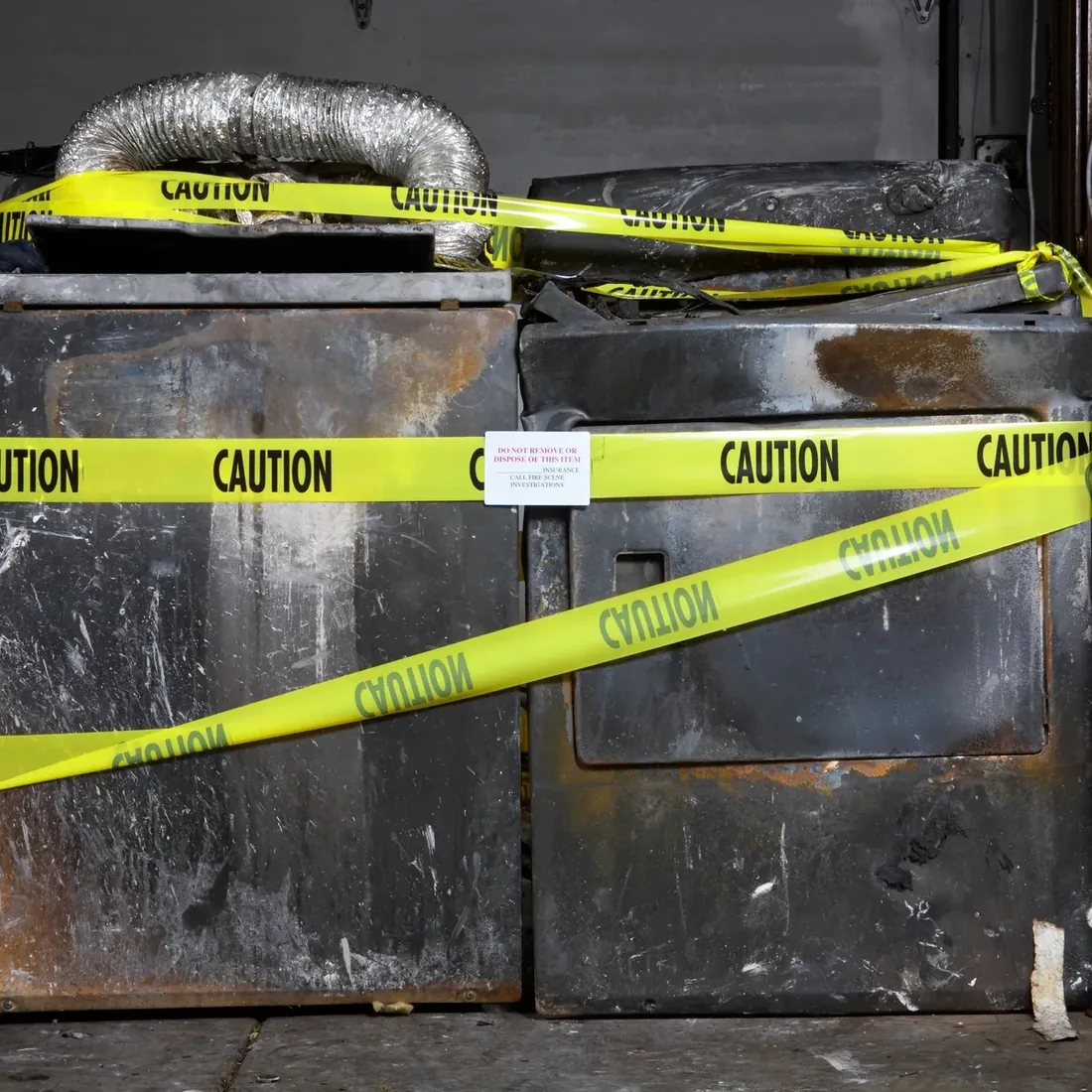
The fire risk
The numbers below are from the National Fire Protection Association, not from us. Failure to clean is the leading contributing factor in dryer fires and lint is the most common thing that ignites first. A nest is that same problem concentrated into one spot and made of kindling.
Source: National Fire Protection Association, Home Fires Involving Clothes Dryers and Washing Machines.
The moisture
Every load has to send humid air somewhere. Blocked completely, it backs into the wall cavity. In a two-story Gilbert home that means damp sitting in the upstairs wall behind the laundry, which becomes drywall damage and mold.
The appliance
A fully blocked vent makes the dryer overheat and trip its thermal fuse repeatedly. Some machines shut down mid-cycle, which at least tells you something is wrong. Others quietly cook themselves for months.
The birds
Worth saying plainly. If the dryer runs with a nest in the vent, the birds in it do not survive it. That bothers most people once they think about it, and it is another reason to deal with this quickly rather than keep running loads and hoping.
Why not to climb up and do this yourself
The roof
Two-story concrete tile roofs in Arizona are genuinely dangerous. Tile cracks underfoot if you step wrong, and a cracked tile is a leak the next time we get weather. A hot tile roof in a Gilbert summer is about as bad as conditions get.
The law
This one surprises people. Depending on species and season, an active nest can be federally protected under the Migratory Bird Treaty Act, which covers most native North American birds and makes it an offense to destroy an active nest with eggs or chicks in it.
We will tell you which situation you are actually in rather than guessing or just tearing it out. An abandoned nest is a different call than a nest with eggs in it, and you deserve to know which one you have.
Why a guard and not a screen
People reach for hardware cloth or window screen because it is cheap and it obviously keeps birds out. It also catches every bit of lint your dryer produces, and within months you have a vent blocked by your own lint instead of by a bird.
This is not just our preference. The residential code requires the exterior termination to open freely under airflow and specifically prohibits screens, for exactly this reason. A proper bird guard has openings large enough to pass lint and small enough to stop a bird. If a previous owner screened your cap, we will find it and tell you.
We do it properly, not quickly
There is a fast version of this job. Reach up, pull the nest out, put the cap back, leave. It takes ten minutes and it solves nothing, because the packed lint the nest was holding in place is still sitting in the run, and the cap that let the bird in is still letting the next one in.
The version we do: identify what is in there and whether it is active, clear the nest, brush the entire run end to end, then fit a proper guard and check the hood and flapper. It takes longer. It is also the only version where you are not calling somebody again next spring.
What we do
- Look first. From the roof, identify what is in there and whether it is active, before touching anything.
- Clear it. Nest removed, then the full duct brushed end to end, because there is always packed lint sitting behind it.
- Guard it. A proper cap with a bird guard, so this is not an annual event.
- Check the cap. If something got in, the flapper or hood is usually the reason.
Keeping them from coming back
- A bird guard on the cap, which is the actual fix
- A flapper that closes properly when the dryer is off
- An intact hood, so there is no open ledge to build on
- Checking the cap in January or early February, before nesting season starts
- Getting the vent cleaned on a schedule, so somebody is looking at that cap regularly
Questions
How do I know there is a bird nest in my dryer vent?
The giveaway is suddenness. Lint takes years to choke a vent, but a nest arrives over a weekend, so the dryer goes from working to useless almost overnight. You will often hear chirping, scratching or rustling in the wall or ceiling near the laundry room, and there may be twigs, dry grass or feathers on the ground below the vent.
Is a bird nest in a dryer vent actually dangerous?
Yes. Dry grass and twigs packed against ductwork carrying hot air is close to the worst combination in your house, and there is usually months of accumulated lint sitting behind it. The blockage also forces every load's moisture back into the wall cavity, which becomes drywall damage and mold.
Can I remove it myself?
We would strongly suggest not, for two reasons that have nothing to do with selling you a service. Two-story concrete tile roofs in Arizona are genuinely dangerous to walk and tile cracks underfoot, which becomes a leak. And depending on the species and time of year, an active nest can be federally protected under the Migratory Bird Treaty Act, which covers most native North American birds.
What stops them coming back?
A proper vent cap with a bird guard, meaning openings large enough to pass lint and small enough to stop a bird. Not a screen. This is not just our opinion either, the residential code requires the exterior termination to open freely under airflow and specifically prohibits screens, because lint clogs them fast and creates a fire hazard.
When is nesting season in Arizona?
Roughly February through May for most of the species that go after roof vents here, though it varies by year and species. If you are going to check your cap, late January or early February is the time.
Why do so many Gilbert homes get this?
Because an open roof cap is close to ideal nesting real estate. Sheltered, elevated, small opening, warm cavity behind it, and in subdivisions where the native vegetation was scraped off twenty years ago there is not much competition for the spot. The neighborhoods with mature landscaping get it worst, which in Gilbert means Agritopia, Morrison Ranch and the older Val Vista Lakes phases.
Calls answered 7am to 8pm · same-day service usually available
Nest removal plus the full duct cleaning. Call and describe what you are hearing.